
Sacrificial glass protection
Anti-Graffiti Film for Atlanta Storefronts, Lobbies and Elevators
Glass etched with a key or a rock leaves a scar that cleaning will not remove, and replacing a large storefront pane is slow and expensive. Anti-graffiti film takes the damage instead, then peels off and gets replaced.
 Atlanta
Why Atlanta Property Owners Use Anti-Graffiti Film
Paint and marker can usually be cleaned off glass. Scratching and acid etching cannot. Taggers use keys, stones and etching fluids to cut marks into storefronts, bus shelter panels and elevator glass, and once the surface is damaged the only real fix is new glass. On a large pane with special framing, that can mean weeks with a boarded window.
Anti-graffiti film is a clear, tough layer applied over the glass. Vandals damage the film instead of the glass. When it is marked up, the damaged section is peeled off and a fresh piece goes on, usually in less time and for less money than a single glass replacement.
Where Anti-Graffiti Film Goes in Atlanta
The most frequent targets are ground-floor storefronts on busy pedestrian streets, including stretches of Peachtree Street Downtown, Edgewood Avenue, the BeltLine corridor and areas near MARTA stations. Restaurant and bar windows that face late-night foot traffic get hit too, along with glass doors in parking decks and apartment lobbies.
Inside buildings, elevator cab mirrors and stainless panels, lobby glass, restroom mirrors and glass partitions in transit-adjacent buildings all benefit. Film can also protect mirrors in gyms and back-of-house areas where keys and rings scratch surfaces day to day.
- Street-level storefronts and restaurant windows
- Parking deck and apartment lobby doors
- Elevator cab glass, mirrors and panels
- Restroom mirrors and glass partitions
How Anti-Graffiti Film Is Installed and Replaced
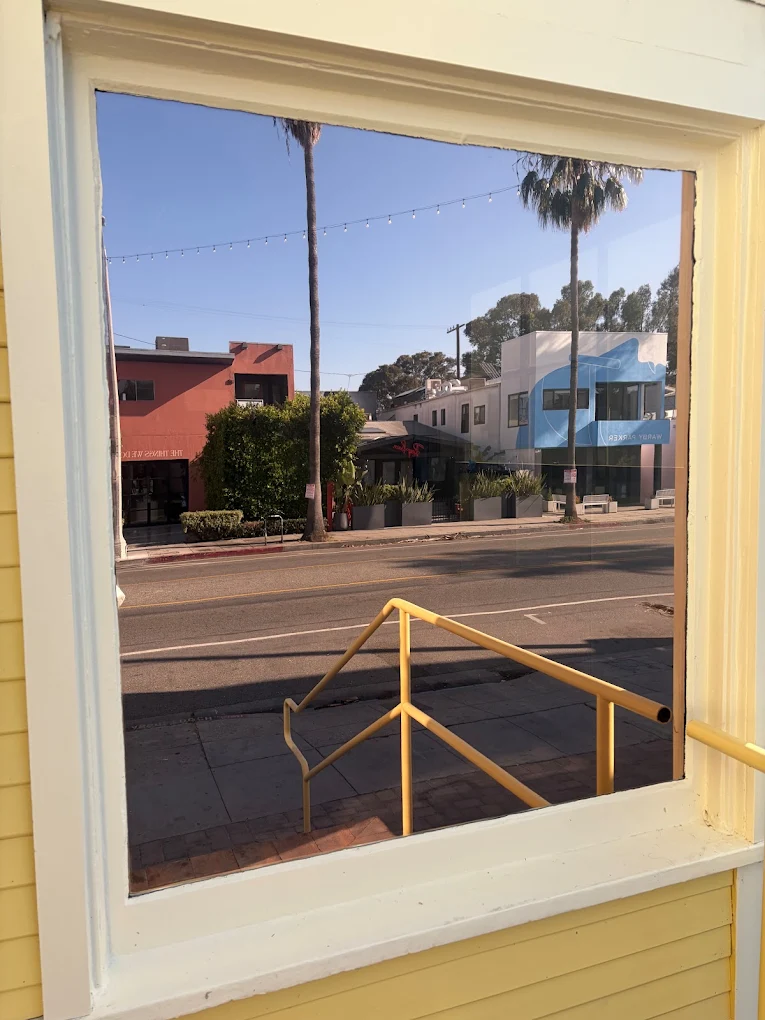
Anti-graffiti film is usually installed on the exterior face of the glass, where the vandalism happens. It is cut to fit inside the frame with a small margin so the edges are hard to pick at. The film is clear, so the storefront or mirror looks the same as before.
When the film is damaged, we remove the affected piece and apply new film. Many property managers keep a standing arrangement so replacement happens quickly after a report. Because the film is a wear layer, it is expected to be replaced periodically on heavily targeted glass.
Combining Anti-Graffiti Film With Security Film
Some storefronts face both tagging and break-ins. In those cases, a security film goes on the interior face to hold broken glass together, and an anti-graffiti film goes on the exterior to take scratches and paint. The two layers address different problems and work together.
Anti-graffiti film itself is thinner than security film and is not designed to resist a break-in. We are clear about which film does what so owners do not rely on a scratch layer for something it cannot do.
Anti-Graffiti Film for Atlanta Property Managers
Atlanta's mural culture is a point of pride, and plenty of commissioned art covers walls along the BeltLine and in Cabbagetown and Little Five Points. Glass scratching is a different thing entirely. It is fast, it cannot be painted over, and it tends to show up on doors and windows near trail access points, bus stops and late-night strips. Building managers in those spots usually treat film as routine maintenance rather than a one-time project.
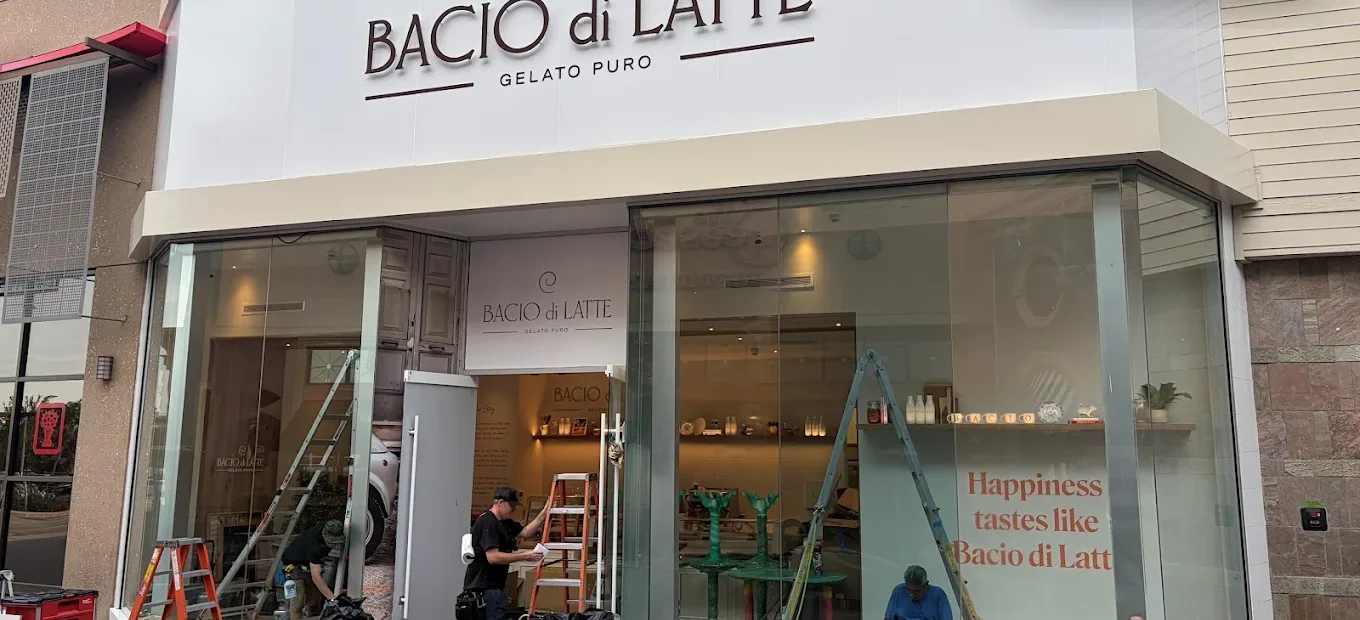
For multi-tenant retail and mixed-use buildings, property managers often handle anti-graffiti film across all street-level glass so the building looks consistent and repairs are fast. We document the glass covered and the film used, which simplifies future replacements and keeps the look uniform.
The film's cost is easy to compare with the alternative. One etched storefront pane that needs replacing can cost more than protecting several panes with film, and the replacement film goes on in an hour or two instead of weeks of waiting for glass.
What Anti-Graffiti Film Saves Atlanta Property Owners
Anti-Graffiti Film Protects Glass From Etching
Scratches, key marks and acid etching damage the film instead of the glass, so the expensive pane underneath stays intact and only the wear layer needs replacing.
Faster Repairs Than Glass Replacement
Peeling and replacing film takes hours, not the weeks a custom storefront pane can take to order. The storefront is back to normal almost right away.
Lower Cost per Graffiti Incident
Replacing a sheet of film costs far less than replacing etched glass, which adds up for buildings that see repeated vandalism along busy streets.
Clear Film Keeps Glass Looking Original
Anti-graffiti film is optically clear, so storefronts, mirrors and lobby glass look unchanged and displays remain fully visible to passersby.
Anti-Graffiti Film Questions From Atlanta Building Managers
Does anti-graffiti film stop break-ins?
No. It is designed to absorb scratches and paint. For break-in resistance, it should be paired with a security film on the interior side of the glass.
Can paint be cleaned off anti-graffiti film?
Often yes, with appropriate cleaners. If paint or etching cannot be removed, the damaged film is peeled off and replaced.
Can you see anti-graffiti film on the glass?
It is clear, and with neat edges it is hard to notice. Displays and views through the glass look the same.
How often does anti-graffiti film get swapped out?
That is set by the vandals, not the calendar. A bar entrance near a late-night MARTA stop might need fresh film a few times a year, while a suburban office lobby may keep the first sheet until it simply ages out.
Window film quote
Anti-Graffiti Film Pricing for Atlanta Buildings
Photograph the scarred or tagged glass, note the address and rough pane sizes, and send it through the quote form. Expect a reply with a coverage plan and cost.
Prefer email? info@windowfilmatlanta.pro