
Anti-glare film at home
Atlanta Glare Reduction Window Film for Screens and Sunrooms
Plenty of Atlanta homes now include a desk that faces a window for six or eight hours a day. When the late sun swings around, monitors wash out and video calls turn into silhouettes. Glare reduction film tames that light without closing the blinds.
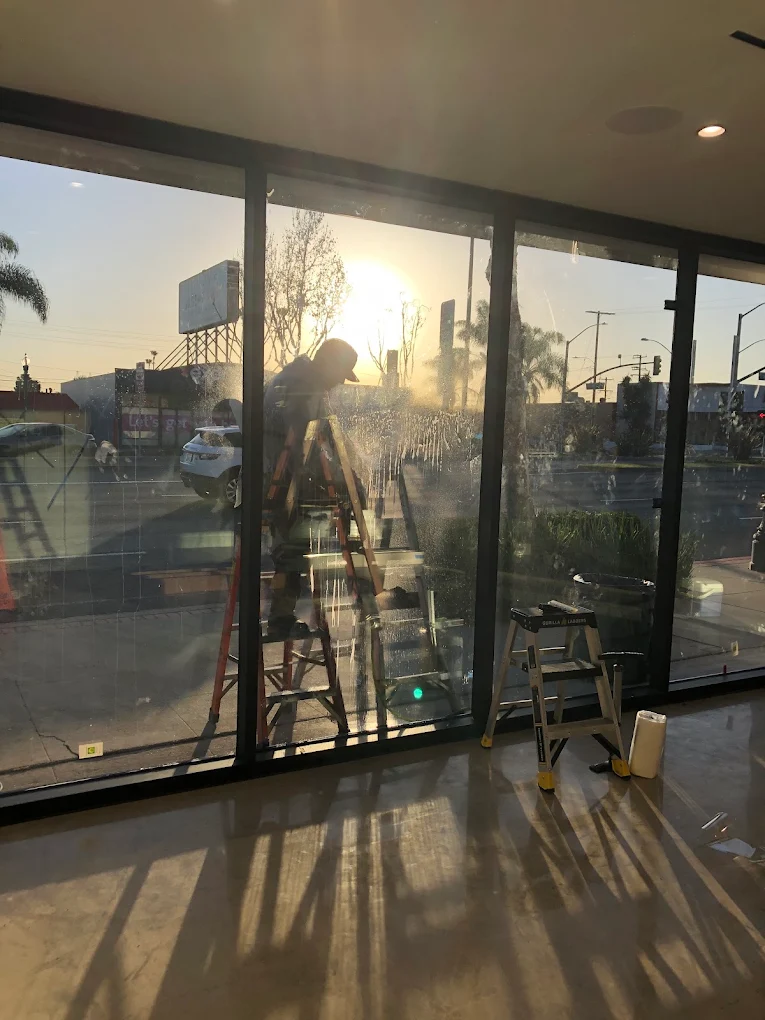 Atlanta
Glare Problems in Atlanta Home Offices
Remote and hybrid work turned spare bedrooms, bonus rooms and dining rooms into offices, and few of them were laid out with screens in mind. A desk under a west window in a Smyrna townhome or a Brookhaven ranch can be unworkable from mid-afternoon on. An east-facing room may be fine after lunch but useless for an early meeting.
Each glare film is built to pass a set fraction of daylight, from a mild trim to a heavy cut. Less contrast between the bright window and the screen means less eye strain and fewer hours with the blinds down. Unlike blinds, film keeps the view and the sense of daylight.
Glare Film for Media Rooms, Sunrooms and Living Spaces
TVs in rooms with large windows suffer the same washout, especially in open-plan living areas that face a backyard. Sunrooms and glassed-in porches on intown houses can be too bright to sit in on clear days, with reflections bouncing off tile and white trim.
The goal in living spaces is usually less darkening than in an office. A light film that takes the edge off the brightness keeps the room cheerful while making the TV watchable and the room comfortable to sit in. We compare a few levels of visible light reduction on the real glass so you can see the difference before choosing.
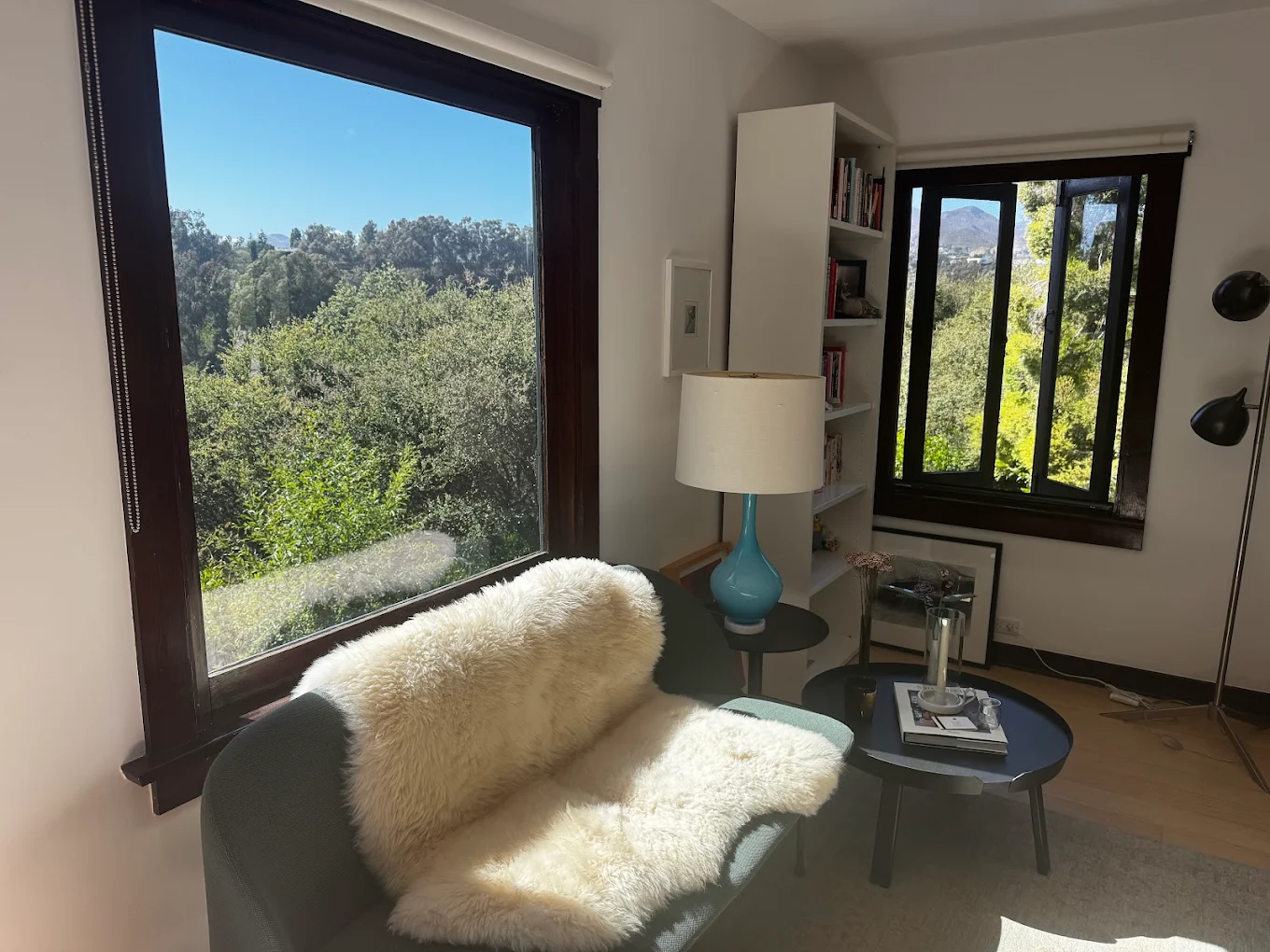
Atlanta Glare Film for Condos and Townhomes Facing Other Glass
Glare does not always come straight from the sun. In Midtown and Buckhead condo towers, and in townhome rows along the BeltLine, a lot of the harsh light is reflected off a neighboring building's glass or a light-colored wall across the street. That reflected glare can hit a north-facing room that never sees direct sun, which surprises many owners.
Because the source is reflected light, a modest film usually handles it. We look at where the bright patch comes from at the worst time of day, then pick a film that tones down that one source without darkening the whole unit.
Choosing a Glare Reduction Window Film Level
Glare films are rated by visible light transmission, the share of daylight they let through. A film that lets through most of the light makes a subtle difference. One that lets through a third or less makes a strong difference but noticeably darkens the room and changes the view, particularly on cloudy days.
Neutral gray and light ceramic films keep colors natural, while some reflective films cut glare strongly but look mirrored from outside. For homes in HOAs or historic districts, a neutral low-reflectance film is usually the safer pick. Most glare films also reduce solar heat and block UV, so the room gets cooler as a side benefit.
- Light glare films for living spaces
- Medium films for home offices
- Darker films for media rooms
- Low-reflectance options for HOA and historic homes
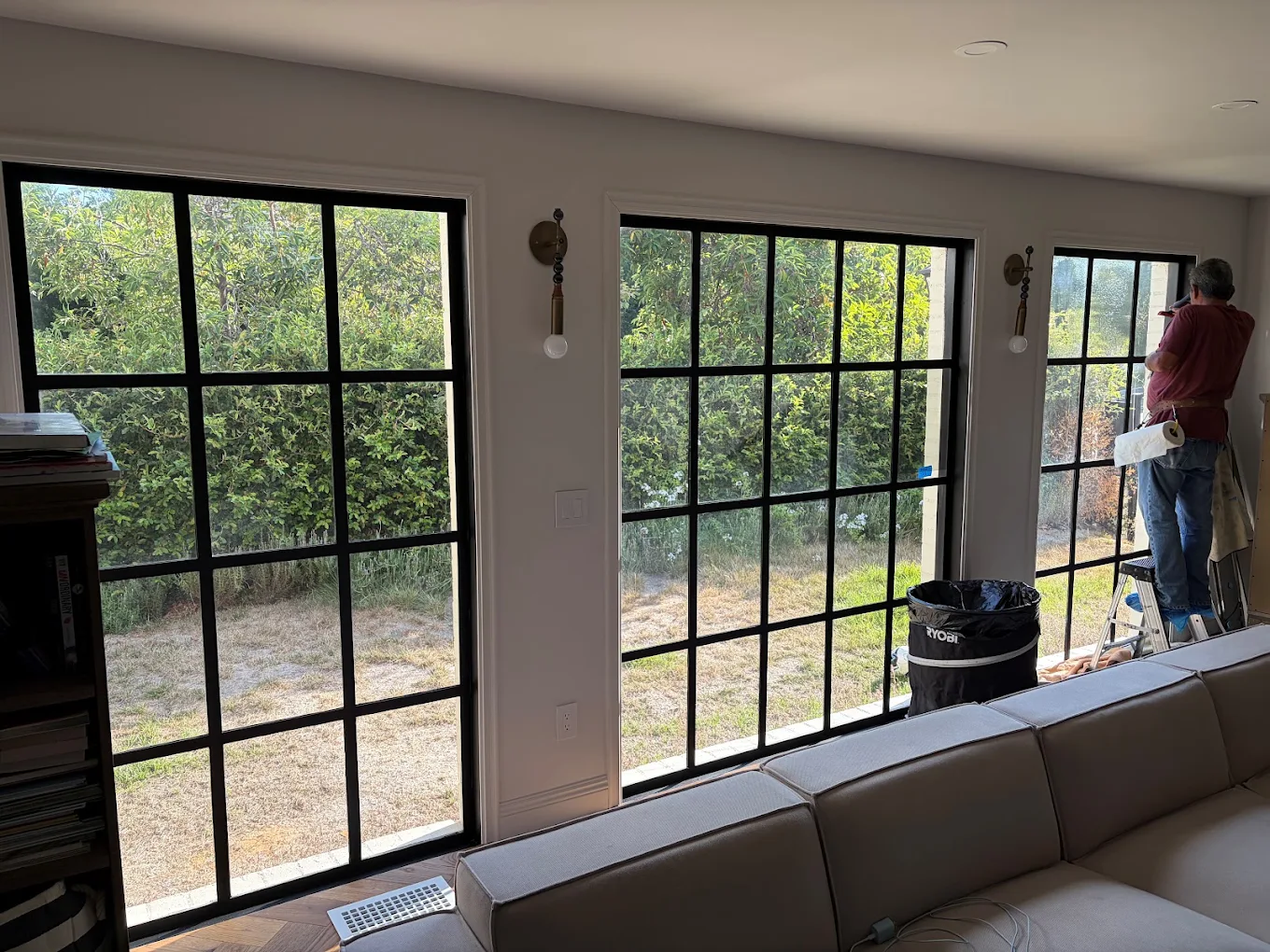
Glare Window Film on Skylights and Tall Atlanta Windows
Skylights and high transom windows in two-story family rooms are hard to cover with shades, and the light from them moves across the room all day. Film is one of the few practical ways to calm them down. We use ladders or staging for tall windows and protect floors and furniture while working overhead.
On dual-pane skylights and large fixed windows, we check the glass and film compatibility carefully, since these units can get very hot. A lower-absorption film is often the right choice for overhead glass that sees direct sun most of the day.
Glare Reduction Film Benefits for Atlanta Homes
Glare Film Makes Screens Readable
Lower window brightness means monitors and TVs no longer wash out in the afternoon. You can keep working or watching without rearranging furniture or pulling the blinds.
Less Eye Strain Next to Bright Windows
Reducing the contrast between bright glass and a darker room is easier on the eyes over a long workday, especially for people who sit facing or beside a window.
Window Views and Daylight Stay
Film reduces glare while keeping the view, unlike blinds that block it entirely. Light films keep rooms feeling bright and open even after installation.
Heat and UV Reduction From Glare Film
Most glare films also cut solar heat and block nearly all ultraviolet light, so the room stays cooler and furnishings fade more slowly.
Glare Reduction Window Film FAQs for Atlanta
How dark does glare film need to be?
It depends on the room and the direction of the glass. A home office facing west often needs a medium film, while a living room may only need a light one. Samples on your window are the best guide.
Will an anti-glare tint feel dim during gray Atlanta winters?
Darker films can. That is why we often recommend a lighter film that handles most of the glare while keeping overcast days bright enough.
Can I add glare film to just one window?
Yes. Many jobs cover only the window behind or beside a desk or TV. The film can be matched to nearby windows if you want a consistent look.
Does glare film work on skylights?
Yes, and it is often the most practical fix. We choose a film suited to overhead glass and check the skylight glazing first.
Window film quote
Atlanta Glare Reduction Film Estimates by Email
Photograph the problem window at its worst hour, add rough measurements, and upload it all with the quote form. You will get a suggested shade level and cost in your inbox.
Prefer email? info@windowfilmatlanta.pro