
Efficiency film for houses
Atlanta Energy-Saving Window Film for Georgia Power Customers
Atlanta homes spend far more on cooling than heating over a year, and much of that cooling load comes through a few sunny windows. Energy-saving window film reduces that solar gain at the glass, and low-E versions keep some warmth inside in winter.
 Atlanta
Where Atlanta Homes Lose Energy Through Windows
In a Georgia summer, unshaded glass is one of the biggest sources of heat entering a house. Sunlight passes through, warms floors and furniture, and that heat stays in the room. Most Atlanta homeowners pay Georgia Power or a local electric cooperative, and summer bills reflect hours of air conditioning working against that load, often well into the evening on humid nights.
The windows that matter most are west and east glass without trees or porches to shade them, skylights, and large glass walls in additions and sunrooms. A house tucked under oaks in Ansley Park and a new build on a cleared lot in Kennesaw will have very different priorities.
How Energy-Saving Window Film Reduces Cooling Loads
Window film lowers the solar heat gain coefficient of the glass, which is a measure of how much of the sun's heat gets through. Spectrally selective films do it while keeping most visible light, so you are not trading lower bills for darker rooms. That matters in Atlanta, where people want both daylight and comfort.
Film works best as part of a broader approach. Attic insulation, sealed ducts and a well-maintained AC system often deliver larger savings. Film is a strong complement because it addresses the windows, which those other measures do not touch. We are happy to point you toward the windows where film helps most and away from those where it would make little difference.
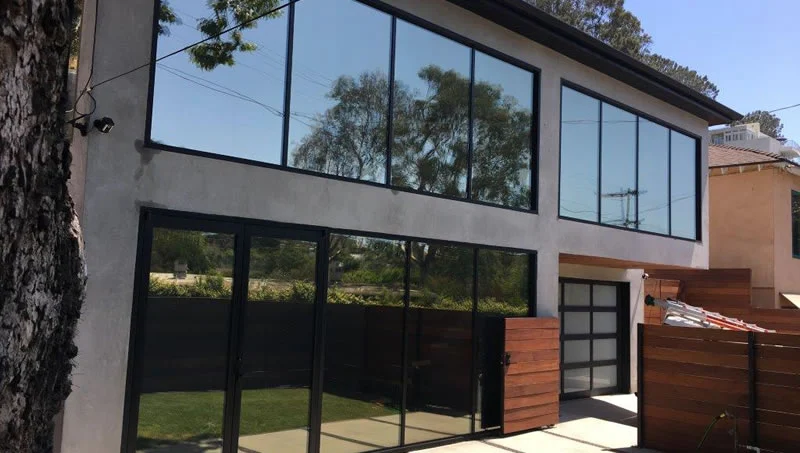
Energy-Saving Film for Atlanta Sunrooms, Additions and Skylights
Rear additions are where window energy losses pile up. A lot of intown houses in Virginia-Highland, Kirkwood and Decatur have a kitchen or family room added on the back during the last few decades, often with a wall of glass, French doors and a skylight or two. That addition is usually the hottest room in the house and sometimes sits on its own undersized duct run.
Treating the glass in that one room often does more for comfort than filming every window in the front of the house. Skylights deserve special attention, because overhead glass sees sun for more hours than any wall window, and we pick films rated for sloped glazing.
Low-E Energy Film for Atlanta Winters
Georgia winters are short, yet a January arctic blast or an ice storm still arrives most years, and single-pane windows in older houses feel cold to sit next to. Low-emissivity films add a coating that reflects some indoor heat back into the room. On single-pane glass, that makes a noticeable difference to comfort near the window.
Low-E films also reduce summer solar heat, so they work year-round. They make the most sense on older single-pane windows in houses where replacing the windows is not an option, such as in Grant Park and Inman Park homes with original sashes.
- Spectrally selective films for summer heat
- Low-E films for year-round performance
- Clear options for historic homes
- Targeted installs on west and east glass
Choosing Energy-Saving Window Film for Your Atlanta House
The right film depends on the glass, the exposure and the look you want. Single-pane windows can take a wide range of films. Dual-pane units, especially those with factory low-E coatings, need compatible films to avoid thermal stress and to protect window warranties.
We compare films by their published solar heat gain, visible light and emissivity figures, and we explain what each number means for your rooms. Any installer who names an exact percentage off your Georgia Power bill before seeing the house is guessing; results hinge on the house, the thermostat and the summer.
How Atlanta Houses Gain From Energy-Saving Film
Lower Summer Cooling Load From Window Film
Cutting solar heat at the sunniest windows reduces how hard the AC works during long Atlanta summers, especially on afternoons when the west side of the house would otherwise heat up fast.
Low-E Film Improves Winter Comfort
A low-E layer returns part of the radiant warmth from the furnace back toward the room, so chairs beside old single-pane sashes feel less chilly during cold snaps and heating runs a little less.
Energy Film Keeps Daylight
Spectrally selective films reduce heat without making rooms dark, so you can keep using daylight instead of turning on lamps during the day.
Window Film Is Faster Than Replacement
A crew finishes most houses between breakfast and late afternoon. Frames, trim and historic sashes stay exactly as they were. It is a quick efficiency step for homes not ready for new windows.
Atlanta Questions on Window Film and Energy Use
What kind of bill reduction can Atlanta homeowners expect?
It depends on your house, the windows filmed and your cooling habits. Film reduces solar heat on treated glass, which lowers cooling load, but we do not quote a specific savings figure.
Is window film cheaper than replacing windows?
Usually much cheaper per window, and it installs in a day. Replacement adds insulation and new frames, which film cannot match, but film is a good option when the windows themselves are sound.
Do Georgia Power rebates cover window film?
Utility rebate programs change over time. Check Georgia Power's current programs or your cooperative's offerings directly before counting on a rebate.
Does energy film work on dual-pane windows?
Yes, with compatible film. We check the glass type and any factory coatings first to avoid thermal stress and warranty issues.
Window film quote
Energy-Saving Window Film Estimates Across Atlanta
Which rooms run hottest, and which compass direction do their windows face? Put that on the quote form along with sizes and a few pictures, and an installer emails back film choices with costs.
Prefer email? info@windowfilmatlanta.pro