
Emissivity upgrade on old glass
Atlanta Low-E Window Film for Single-Pane Offices, Schools and Older Homes
A 1970s office park in Sandy Springs and an 1890s Victorian in Inman Park share one problem: plain single-pane glass. Low-E window film gives that glass a coating similar to the one built into modern windows, so it performs better in July and in January.
 Atlanta
How Low-E Window Film Handles Atlanta's Two Seasons
Uncoated glass is a strong radiator. In winter, the warm room radiates heat toward the cold pane and out of the building, which is why the chair next to an old window feels chilly even when the thermostat says 70. A low-emissivity surface is a poor radiator, so it sends a good part of that energy back toward the room instead of passing it outdoors.
Most low-E films sold for retrofit also carry a solar control layer. That half of the product matters more in Atlanta, where cooling hours far outnumber heating hours. Think of the winter benefit as a dividend: warmer glass surfaces, less of a cold draft feeling near big windows, and a little less furnace runtime during the cold snaps that roll through between December and February.
Low-E Film for Older Commercial Buildings Across the Metro
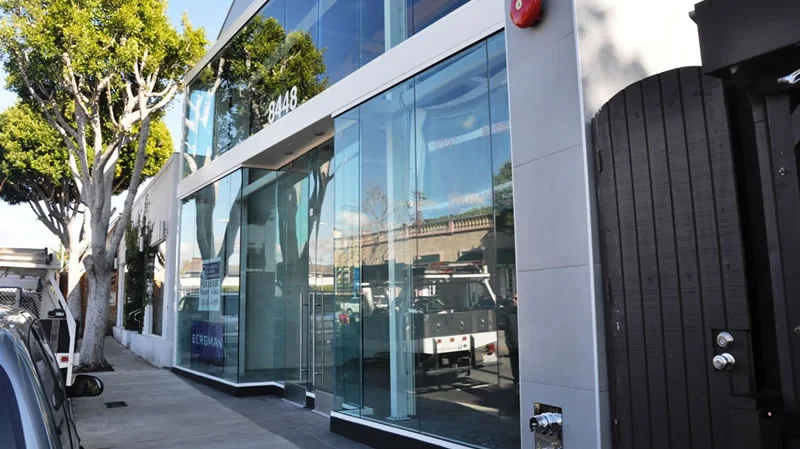
A surprising amount of the region's commercial stock still runs on single glazing. Older towers Downtown, low-rise office parks from the 1970s and 1980s off I-285 and Roswell Road, church sanctuaries, public school wings and county office buildings all fall into that group. Swapping that glass for insulated units means new frames, scaffolding or lifts, and months of disruption.
Low-E film is the light-touch alternative. For buildings that report under the City of Atlanta's commercial benchmarking ordinance, it is the kind of measure an energy auditor can model without a construction budget. We supply each candidate film's emissivity, solar heat gain coefficient and visible transmittance so the engineer can run the numbers.
Low-E Window Film for Atlanta's Historic Houses
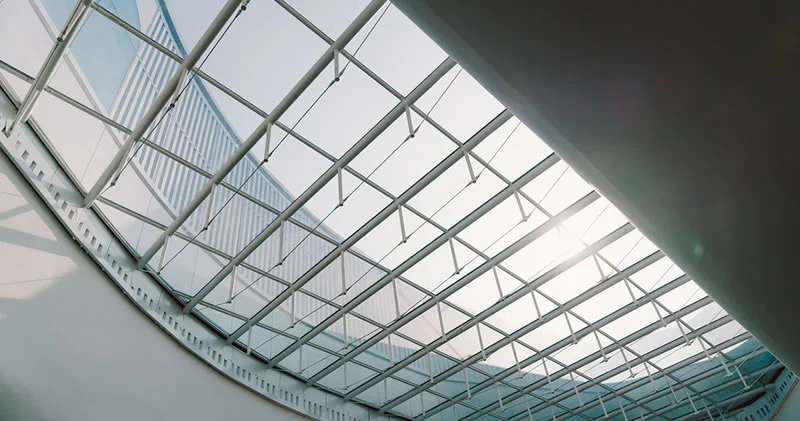
Owners in Grant Park, Inman Park and Decatur's older blocks often keep their original sashes, either because the glass itself is part of the house's charm or because historic district guidelines discourage replacement. Those windows breathe nicely in April and October, then leak warmth in January and let heat flood in through August.
A clear low-E film on the interior surface addresses both, with almost no visible change from the street. Pair it with fresh weatherstripping and, where allowed, interior storm panels, and an old house gets noticeably more comfortable without giving up a single original pane.
- Single-glazed office and institutional buildings
- Original sashes in historic houses
- Church sanctuaries and school classrooms
- Sunrooms and porches enclosed with old glass
Low-E Film or New Windows: An Honest Comparison
An insulated glass unit with a sealed gas space will beat a film on single glazing every time; nobody should pretend otherwise. The question is cost, disruption and what the building allows. Replacement can run many times the price of film, take months to schedule, and in a historic district may require a design review that ends in a no.
Film makes sense when frames are sound and the glass is intact. If sashes are rotted, seals have failed or the glazing putty is falling out, that work should come first, and we will say so rather than sell film onto a window that needs a carpenter.
Selecting and Caring for Low-E Window Film
Products range from nearly clear to noticeably tinted. Clearer grades suit historic homes and lobbies where appearance matters; darker grades suit west-facing offices that need more summer heat rejection. On dual-pane glass, compatibility with the existing unit has to be confirmed, and the benefit is smaller because many newer windows already carry a factory coating.
The low-E surface is the film's outer layer, so cleaning technique matters. Microfiber, a mild ammonia-free solution and no scrapers. We hand janitorial staff a one-page care sheet when the job is done.
Low-E Window Film Results in Atlanta Buildings
Less Summer Solar Heat Through Low-E Film
The solar control layer trims heat entering through sunny single-pane glass, which helps perimeter rooms and classrooms stay closer to setpoint on hot afternoons.
Warmer Glass Near Windows in Winter
With the coating reflecting room heat back inside, the area within a few feet of an old window stops feeling like a cold zone during January freezes.
Window Upgrade Without Construction
No scaffolding, no new frames, no months of lead time. Film goes on from inside in days, and historic sashes stay exactly as they are.
UV Blocking Built Into Low-E Film
These films also screen out close to all ultraviolet light, slowing the fading of pews, carpet, upholstery, artwork and floors near the windows.
Atlanta Questions About Low-E Window Film
Does low-E film make sense with Atlanta's short winters?
Yes, mainly because of its summer solar control. The winter improvement is real on single-pane glass, but in Atlanta it is the secondary reason to buy it.
Is low-E film useful on newer dual-pane windows?
Less so. Many insulated units built in the last couple of decades already have a factory low-E coating. We check for one with a coating detector before quoting, and if it is there, a straight solar film may be the better buy.
Can you tell low-E film is on the glass?
Clear grades are very hard to spot. Some products show a faint tint or a little extra reflection at certain angles. Samples on your own panes show what to expect.
What should janitorial crews use on low-E film?
Soft microfiber and a mild ammonia-free cleaner. Razor scrapers and abrasive pads can mar the coated surface, so keep them off the filmed side.
Window film quote
Low-E Window Film Quotes for Atlanta Buildings
Describe the building and its glass, single or double pane if you know, and which rooms feel too hot in summer or too cold in winter. Photos and rough sizes on the quote form get you a written recommendation.
Prefer email? info@windowfilmatlanta.pro