
Atlanta solar heat film
Atlanta Heat Control Window Film for West Rooms and Bonus Rooms
Every Atlanta house seems to have one room nobody uses from June to September: the bonus room over the garage, the glassed-in back porch, the west bedroom. Heat control window film targets the glass that makes that room unbearable.
 Atlanta
Where Atlanta Homes Pick Up the Most Solar Heat
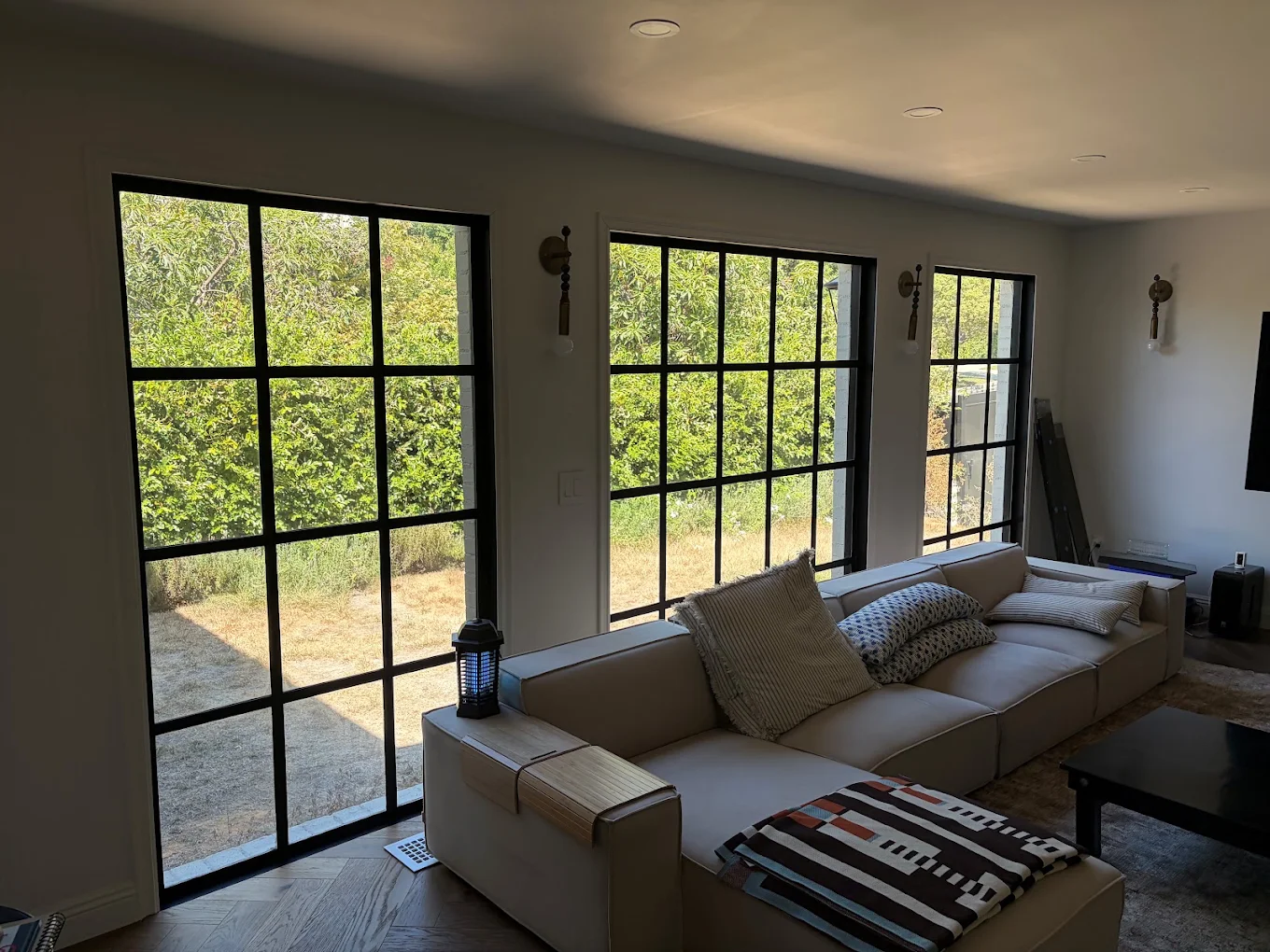
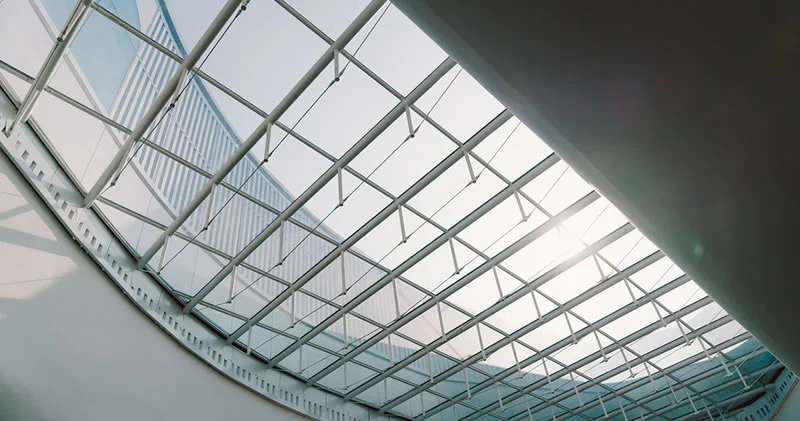
Atlanta's summer sun climbs high at midday, so roof overhangs shade a good part of the south glass in July. The real heat arrives on the low angles. West windows take direct sun from mid-afternoon until it sets, right when outdoor temperatures peak, and east windows get hit early before the house has had a chance to cool. Skylights and clerestory windows add heat from above all day.
Trees change the picture. Under the oak canopy of Virginia-Highland or Ansley Park, a house might need film on only two or three exposed windows. On a newer lot in Kennesaw or Johns Creek where the trees were cleared for construction, every west and south pane can be a problem.
Choosing a Heat Control Window Film Type in Atlanta
The heat you feel through a sunny pane is mostly near-infrared radiation, with visible light and a sliver of UV adding to it. A heat control film turns some of that back at the glass and soaks up some of the rest. Darker and metallized films reject the most, but they also darken the room and can look mirrored from outside. Spectrally selective films are engineered to go after the infrared portion and leave the room nearly as bright as before.
On a typical Atlanta house we end up recommending a spectrally selective or light ceramic product for the hot elevations. The room stays bright, the view stays clear, and the late-day heat that used to linger into the night drops noticeably. We compare films by their published solar heat gain and visible light numbers, not by color.
Heat Control Film for Bonus Rooms, Sunrooms and Top Floors
The bonus room over a garage is a classic suburban Atlanta problem. It sits under the roof, often has a big window at the gable end, and is usually the last stop on the duct run. Film on that window will not fix weak airflow, but it takes away the solar load that pushes the room over the edge on sunny afternoons.
Sunrooms and enclosed porches are another frequent request, especially on older intown houses where a porch was glassed in decades ago. Top floors of new townhomes in Old Fourth Ward and West Midtown, with large west windows and a flat roof overhead, round out the list.
- Bonus rooms over garages
- Glassed-in porches and sunrooms
- Top-floor townhome bedrooms
- Two-story family rooms with tall windows
Heat Control Film on Dual-Pane and Historic Windows
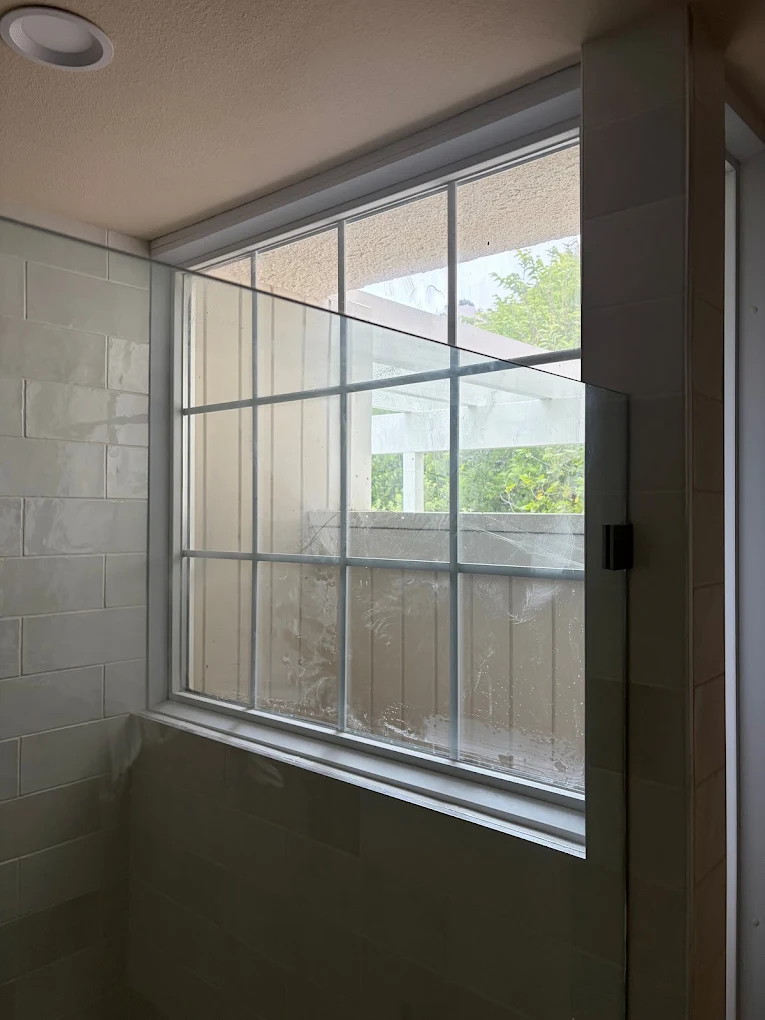
Single-pane glass in older houses takes most films without trouble, and that is where heat control film tends to make the biggest difference. Dual-pane units need more care. Highly absorptive film raises the temperature of the inner pane, and on certain units that can add thermal stress or affect the window maker's warranty.
We identify the glass on site, look for an existing low-E coating and check the film maker's compatibility guidance before recommending a product. If a window is a poor candidate, we tell you and suggest an alternative such as exterior shading.
Heat Control Window Film Results in Atlanta Houses
Cooler Afternoon Rooms in Atlanta Homes
Film on west and east glass takes much of the direct solar heat out of the room at the hours it matters most. Rooms that sat unused all summer become comfortable enough to work, sleep or watch TV in.
More Even Temperatures With Heat Control Film
When one side of the house no longer runs much hotter than the rest, the thermostat in the hallway reflects reality better and the AC stops overcooling the shaded rooms to catch up with the sunny ones.
Near-Clear Heat Control Window Film Keeps Views
Modern selective films cut heat without the dark, mirrored look of older tints. The yard, the treetops or the Midtown skyline stay in view, and nobody has to keep the blinds shut until dinner.
UV Protection Comes Standard
Every heat film we install doubles as a UV screen, which means the floors, rugs and upholstery in your sunniest rooms fade far more slowly. You get fading protection without buying a separate product.
Heat Control Window Film FAQs for Atlanta
Which Atlanta windows benefit most from heat control film?
Start on the west side of the house, then look at east glass, skylights and large unshaded south windows. In Atlanta, rooms with heavy late-day sun show the biggest improvement.
Will heat control film make my rooms dark?
Not with a spectrally selective film. Those keep most visible light while blocking a large share of infrared. Darker films are available for rooms where glare is also a problem.
Is there any risk of a pane cracking after heat film goes on?
A small one, and it is manageable. Trouble usually comes from pairing a dark, heat-absorbing film with certain insulated units, so the glass gets identified before a product is chosen.
Does it help in winter too?
Standard heat control film mainly works on incoming sun. If winter comfort in a drafty older house matters too, a low-E film adds some insulating value.
How long before I notice a difference?
Right away on the next sunny afternoon, even though the film keeps curing for a week or more after install.
Window film quote
Request Heat Control Window Film Pricing in Atlanta
Tell us which rooms overheat and which way their windows face, then add rough sizes and photos on the quote form. Pricing and film suggestions come back by email.
Prefer email? info@windowfilmatlanta.pro